
 Roasted salmon with radish corn salad — gently roasted salmon over crisp radishes, sweet corn, parsley, and lime.
Quick answer Season skin-on salmon fillets with salt, pepper, garlic powder, smoked paprika, and red pepper flakes, then brush with olive oil. Roast in a preheated oven — start at 475°F, then reduce to 300°F — for 8 to 10 minutes, until the thickest part registers 125°F, and rest 5 minutes. Meanwhile toss corn, thinly sliced radishes, parsley, red onion, lime, and honey, then plate the salad and top with the salmon.
Whether you're pulling a wild-caught salmon fillet from the cooler after a successful day on the water or picking up salmon from your local grocery store, this recipe delivers a satisfying meal in less than 30 minutes. The gently roasted salmon stays remarkably moist while the crisp radishes, sweet corn, fresh parsley, and lime create a salad that tastes like the height of summer.
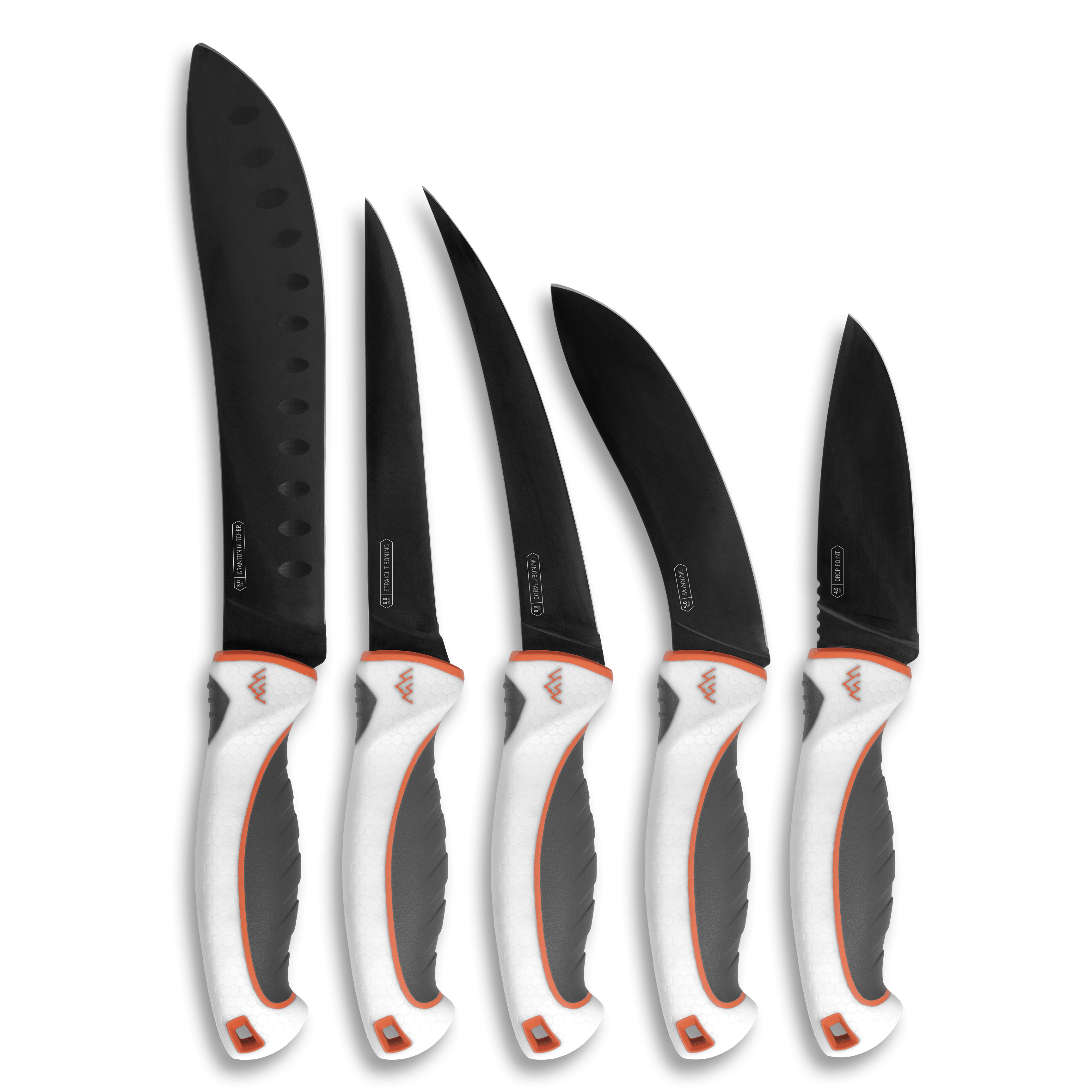
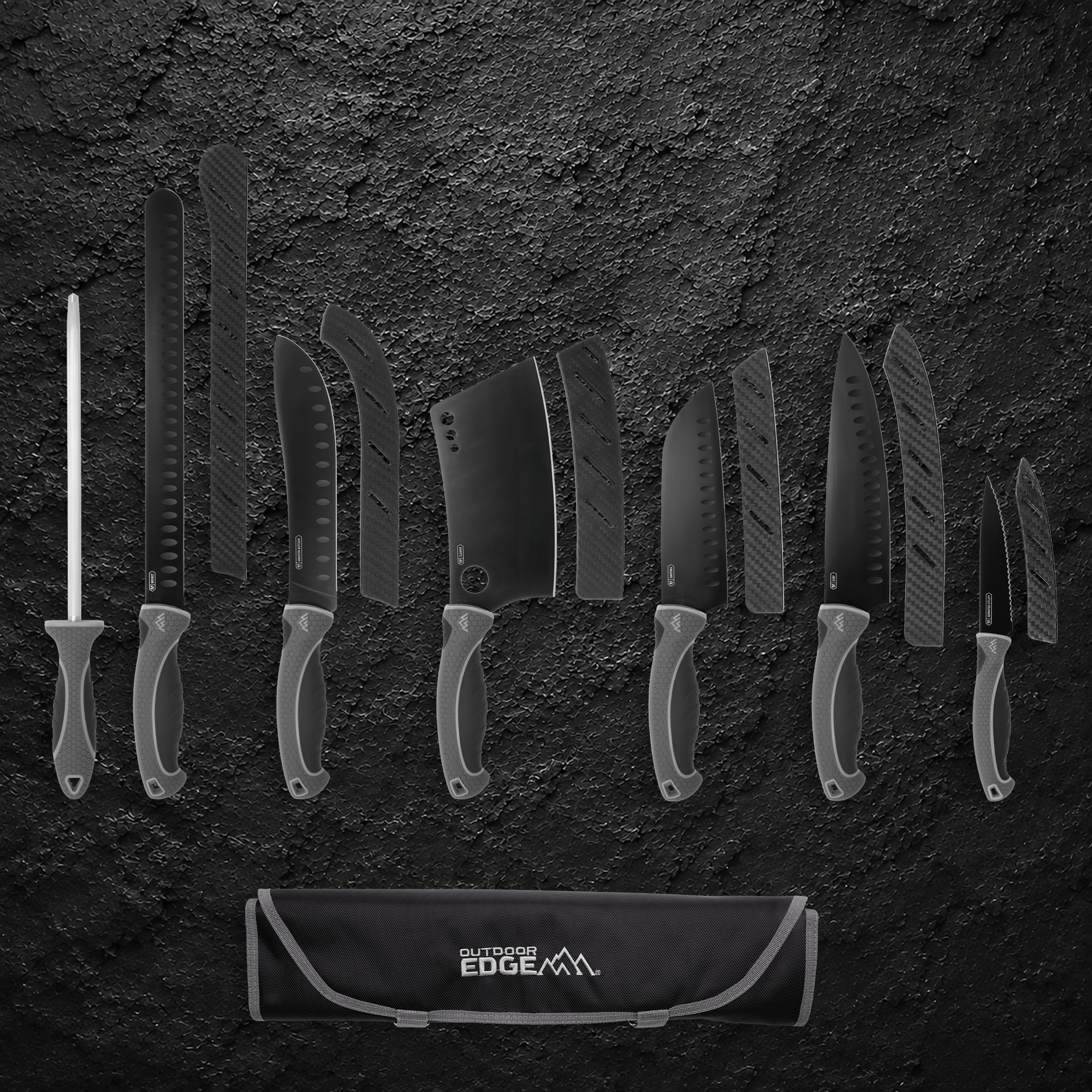
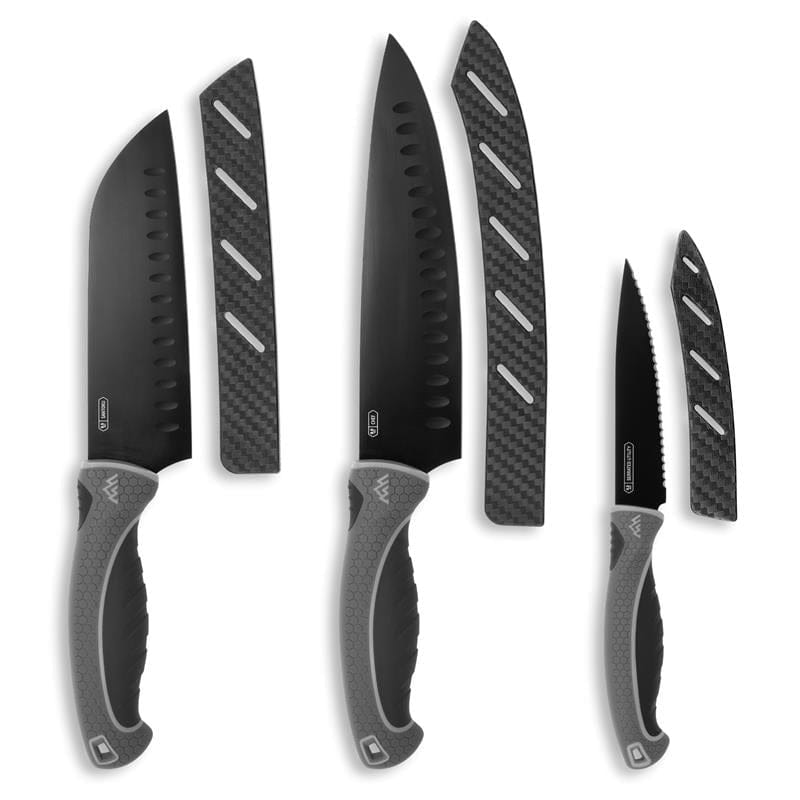
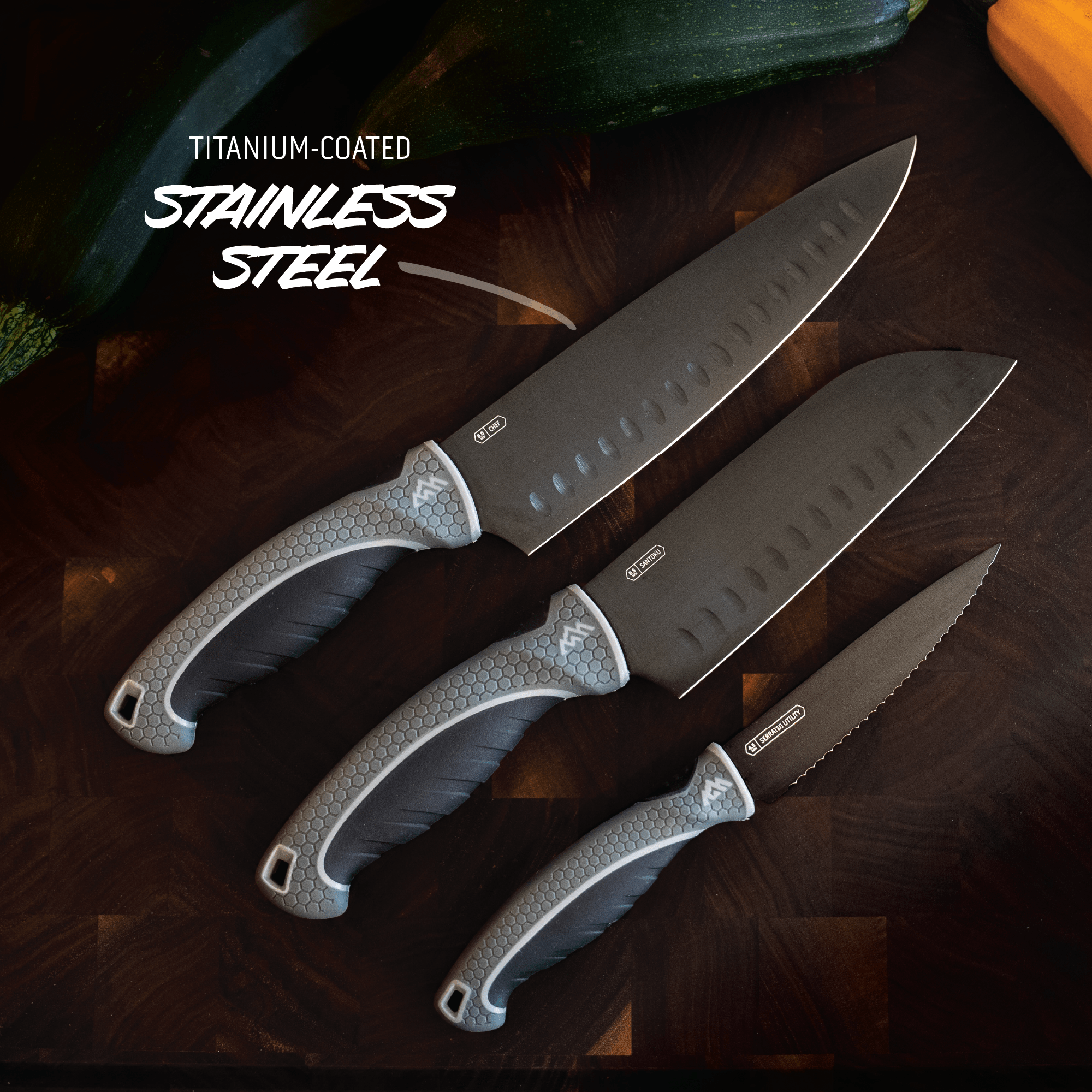
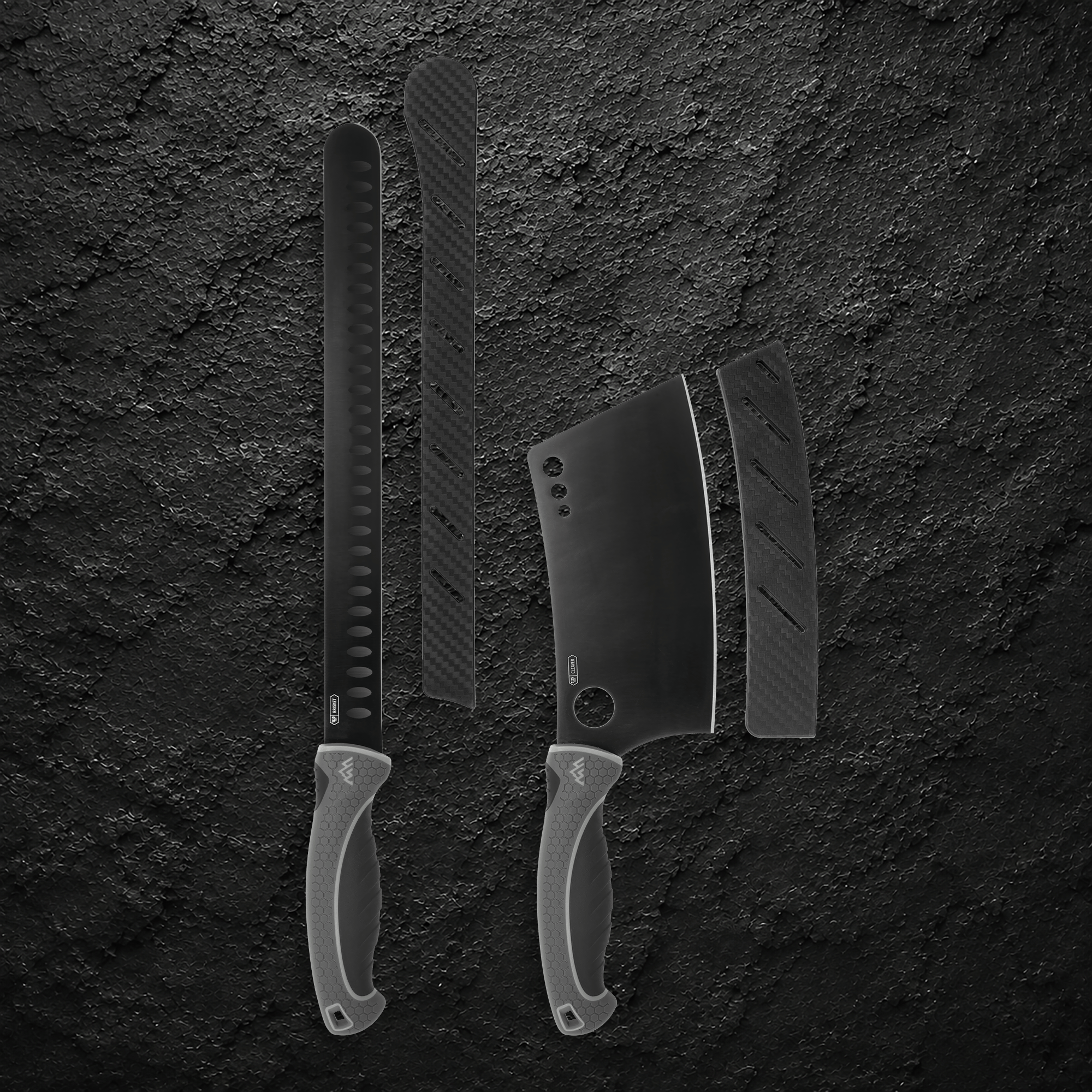
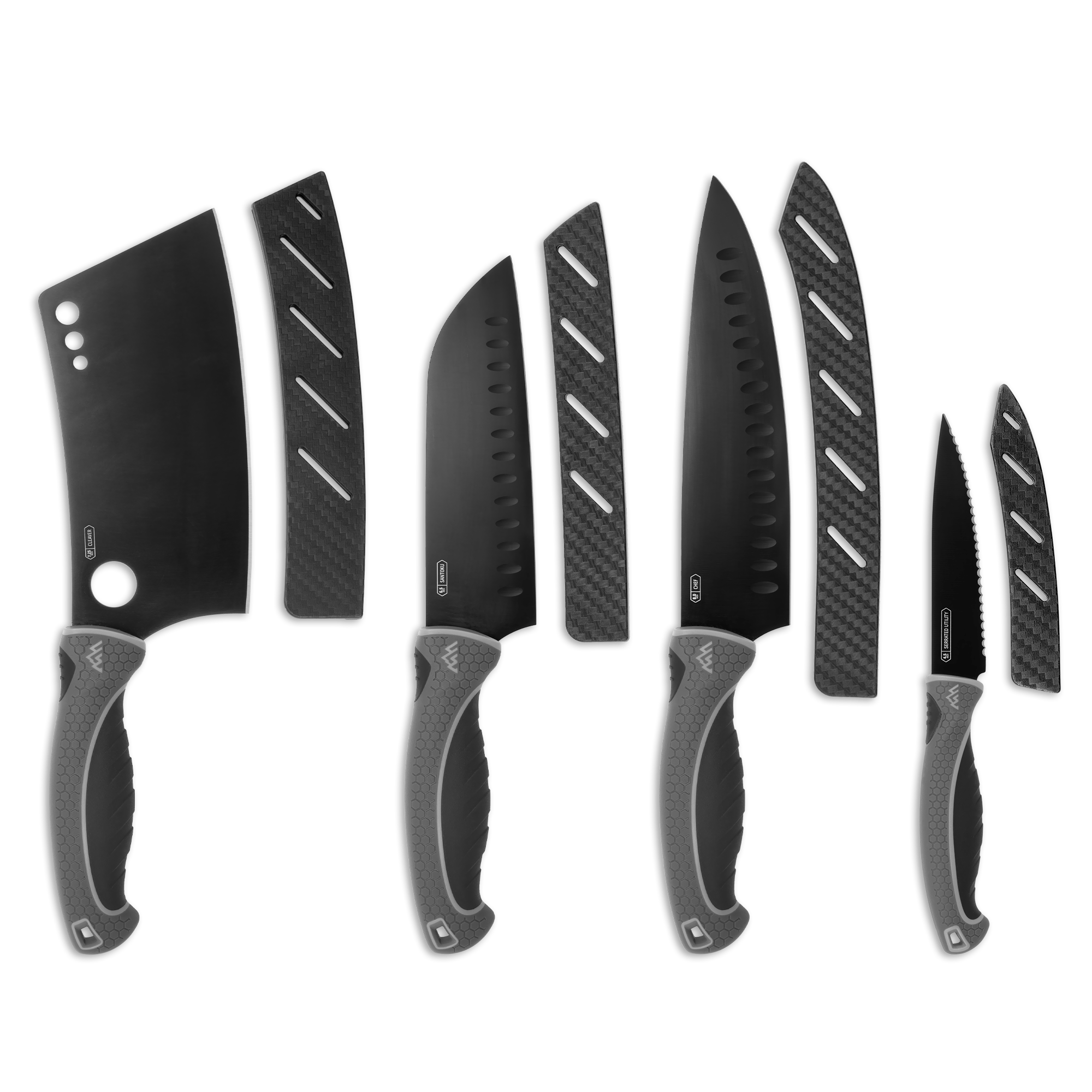
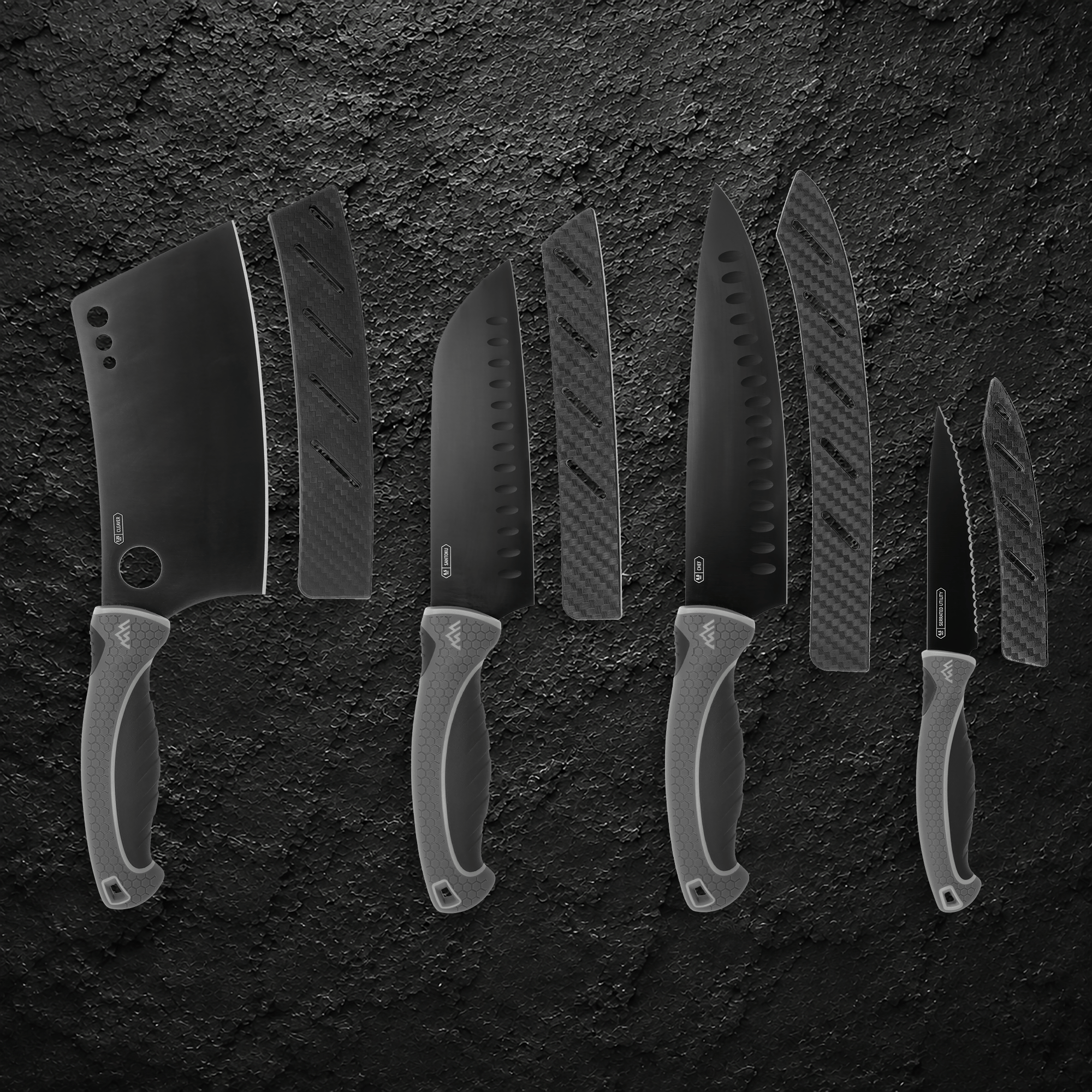
As I prepare the vegetables, the Outdoor Edge ErgoMax Santoku Knife glides through peppery radishes, cutting them into paper-thin slices before neatly dicing the red onion and gathering fresh parsley from my backyard garden into a fine chop. Sweet corn kernels tumble from the cob with a few confident strokes, each ingredient adding another splash of color to the cutting board. The salad comes together in a few unhurried minutes, making sitting down to dinner all the more rewarding.
If you are looking for more salmon recipes, be sure to check out Jeff Benda's Smoked Salmon Salad with Bagel Chips and Blackened Salmon Caesar Salad.
Recipe at a glance
| Prep time | 15 minutes |
|---|---|
| Cook time | 10 minutes |
| Total time | 25 minutes |
| Yield | Serves 4 |
| Fish | 4 skin-on salmon fillets, 4 to 6 ounces each |
| Target doneness | 125°F at the thickest part (moist, medium) |
| Method | Preheat to 475°F, then reduce to 300°F for a gentle roast |
| Equipment | 9 x 13 baking dish, instant-read thermometer, santoku or chef's knife |
What temperature do you roast salmon to?
This recipe roasts salmon to an internal temperature of 125°F at the thickest part, which leaves it opaque at the edges but still slightly wet and translucent in the center — the sweet spot for moist, tender salmon. The trick is the oven itself: preheat to a hot 475°F, then drop to 300°F right when the fish goes in, so the residual heat sears while the low temperature roasts gently. Note that the USDA recommends cooking fish to 145°F for food safety; cook to your own comfort level.
Salmon Ingredients
- 4 (4- to 6-ounce) skin-on salmon fillets
- ¾ teaspoon kosher salt
- ½ teaspoon black pepper
- ½ teaspoon garlic powder
- ½ teaspoon smoked paprika
- ¼ teaspoon crushed red pepper flakes
- 2 tablespoons extra-virgin olive oil
Radish Corn Salad Ingredients
- 4 ears grilled or steamed corn, kernels removed from the cob
- 6 medium radishes, halved and thinly sliced
- ½ cup chopped flat-leaf parsley
- ¼ cup red onion, diced
- 1 tablespoon lime juice
- 1 teaspoon honey
- ½ teaspoon kosher salt
- ½ teaspoon ground cumin
- ¼ teaspoon black pepper
 Prepping the salad — thinly sliced radishes, diced red onion, chopped parsley, and sweet corn cut from the cob with the ErgoMax Santoku knife.
Step 1: Preheat the oven and prep the salmon
Preheat oven to 475 degrees F. Pat salmon fillets dry with paper towels and place in a 9 x 13 baking dish.
Step 2: Mix the spice rub
In a small bowl, stir together the salt, black pepper, garlic powder, paprika, and crushed red pepper flakes.
Step 3: How to roast salmon so it stays moist
Brush both sides of the salmon fillets with the olive oil, then season all over with the spice mixture. Place salmon on the bottom rack of the preheated oven, reduce the oven heat to 300 degrees F, and roast until the thickest part of the fillet registers 125 degrees F with an instant-read meat thermometer, 8 to 10 minutes. The fish should be opaque at the edges but still slightly wet and translucent in the center. Remove from oven and rest for about 5 minutes while you make the salad.
Step 4: Make the radish corn salad
In a large bowl, stir together all of the radish corn salad ingredients.
Step 5: Assemble and serve
Divide the salad between dinner plates and top each with a cooked salmon fillet. Serve immediately.
 Divide the salad between plates and top each with a rested salmon fillet, then serve right away.
Salmon doneness reference
This recipe pulls the salmon at 125°F for a moist, medium result, but salmon is often cooked to a range of temperatures depending on preference. Use this as a general guide:
| Doneness | Internal temperature | Notes |
|---|---|---|
| Medium-rare | 120°F | Silky, deep-colored center |
| Medium (this recipe) | 125°F | Opaque edges, slightly translucent center — moist and tender |
| Medium-well | 135°F | Mostly opaque, firmer flake |
| USDA recommended | 145°F | Fully opaque and firm; the USDA guideline for food safety |
Salmon carries over a few degrees as it rests, so pull it just below your target. The 5-minute rest in this recipe both finishes the cook and gives you time to toss the salad.
Ingredient swaps & variations
- Salmon source: wild-caught or store-bought both work — as the recipe notes, this comes together the same way either way.
- Corn: grilled corn adds a smoky char; steamed keeps it sweet and clean. Both are called for as options.
- Herbs: flat-leaf parsley is the base; cilantro is an easy swap for a more Southwest profile alongside the cumin and lime.
- Heat: the crushed red pepper flakes give a gentle kick — scale them up or down to taste.
- Citrus: lime brightens the salad; lemon works if that's what you have on hand.
Frequently asked questions
What temperature should salmon be cooked to?
This recipe roasts salmon to 125°F at the thickest part for a moist, medium result — opaque at the edges but slightly translucent in the center. Salmon is commonly cooked anywhere from 120°F (medium-rare) to 145°F, which is the USDA's recommended temperature for food safety. Use an instant-read thermometer and cook to your own comfort level.
Why preheat to 475°F and then reduce to 300°F?
Preheating to a hot 475°F loads the oven with heat, and dropping to 300°F when the salmon goes in lets that residual heat give a light sear while the lower temperature roasts the fish gently. The result is salmon that stays remarkably moist rather than drying out at a constant high heat.
Can I use store-bought or frozen salmon?
Yes. The recipe works with either a wild-caught fillet from a day on the water or salmon from your local grocery store. If using frozen salmon, thaw it completely and pat it dry before seasoning so it roasts evenly.
How do I know when the salmon is done?
The thickest part of the fillet should register 125°F on an instant-read thermometer, and the fish should look opaque at the edges but still slightly wet and translucent in the center. Then rest it about 5 minutes before serving.
Should I use grilled or steamed corn?
Either works. Grilled corn adds a smoky, charred flavor to the salad, while steamed corn keeps it sweet and fresh. Remove the kernels from the cob once the corn is cooked and cooled enough to handle.
Can I make the radish corn salad ahead of time?
You can prep the components — slice the radishes, dice the onion, chop the parsley, and cut the corn — ahead of time and refrigerate them. Toss everything together with the lime, honey, and seasonings shortly before serving so the radishes stay crisp.
Do I leave the skin on the salmon?
Yes. The recipe uses skin-on fillets, which help hold the fish together and keep it moist as it roasts. Serve the fillet skin-side down over the salad, or slip it off after cooking if you prefer.
How many servings does this recipe make?
The recipe serves 4, using four 4- to 6-ounce salmon fillets and a radish corn salad made with 4 ears of corn.
More wild game and wild-caught recipes are dropping every other Wednesday. Browse the full Wild Game Wednesday series.