

Quick answer Cook ground Canada goose with onion, then fold in well-drained sauerkraut, cream cheese, herbs, mustard, and Worcestershire. Chill 1 hour, roll into about 24 balls, then bread each in flour, egg wash, and Italian breadcrumbs. Fry at 350°F for 2 to 3 minutes until golden brown. Serve warm with Thousand Island dressing. Makes about 24.
Like many people in our part of the country, I have a little German heritage in my family tree. I've never been to Germany, but I still get excited whenever I find a German restaurant, hear German music, spot a German beer on tap, or have the chance to cook German-inspired food. Our local German American Club hosts monthly bierhalle dinners featuring homemade favorites, and one item I can never resist is the sauerkraut balls. Last winter, after a successful Canada goose hunt, Olivia and I stopped by one of those dinners. As I enjoyed another plate of sauerkraut balls, I started wondering why no one had ever made them with goose. After talking with members of the club and doing a little research—including hearing about a few "grandma's secret recipes from the old country"—I discovered something surprising. Sauerkraut balls aren't actually a traditional German dish. German immigrants in Ohio likely created them during the 1950s. Traditional or not, the combination of tangy sauerkraut, creamy cheese, herbs, and Canada goose makes an outstanding appetizer. We hope these become a favorite at your next gathering or alongside your next German-inspired meal.
Cooking your way through more waterfowl this season? Browse the rest of the Wild Game Wednesday series, including Snow Goose Meatballs with Onion and Mushroom Gravy, party-ready Maple Whiskey Duck (or Goose) Bites, and crispy Wild Goose Empanadas — plus a cozy German Pheasant Soup if you're leaning into the old-country flavors.
Recipe at a glance
| Prep time | 20 minutes |
|---|---|
| Chill time | 1 hour |
| Cook time | 10 minutes |
| Total time | About 1 hour 30 minutes |
| Yield | About 24 sauerkraut balls |
| Best cut | Boneless, skinless Canada goose breasts (from 1 bird), ground; snow goose, specklebelly, or duck also work |
| Target internal temperature | 165°F (ground game bird) |
| Equipment | Large skillet, heavy skillet or Dutch oven for frying, meat grinder, curved boning knife, instant-read thermometer |
Why cook ground goose to 165°F?
Canada goose is dark, lean waterfowl, and once you grind it, it's treated like any ground poultry or game bird: the USDA sets a safe minimum internal temperature of 165°F (USDA FSIS Safe Temperature Chart). In this recipe you cook the ground goose through in the skillet first — until it's no longer pink — before it's ever formed and fried, so the quick 2- to 3-minute fry is really about crisping the breading and warming the balls through. If you want to be certain, check a ball with an instant-read thermometer; the center should read 165°F.
Ingredients
Sauerkraut balls
- 1 tablespoon olive oil
- 2 boneless, skinless Canada goose breasts (from 1 bird), ground
- ¼ cup finely chopped yellow onion
- 1 (14-ounce) can or bag sauerkraut, well drained and finely chopped
- 2 tablespoons Italian-seasoned breadcrumbs
- ½ teaspoon yellow mustard
- ¼ teaspoon garlic salt
- ⅛ teaspoon black pepper
- 1 tablespoon dried oregano
- 1 tablespoon dried thyme
- 2 tablespoons dried parsley flakes
- 6 ounces cream cheese, softened
- 1 teaspoon Worcestershire sauce
Breading
- ¼ cup all-purpose flour
- 1 large egg
- ¼ cup milk
- ¾ cup Italian-seasoned breadcrumbs
For frying
- Neutral cooking oil, such as vegetable or canola oil
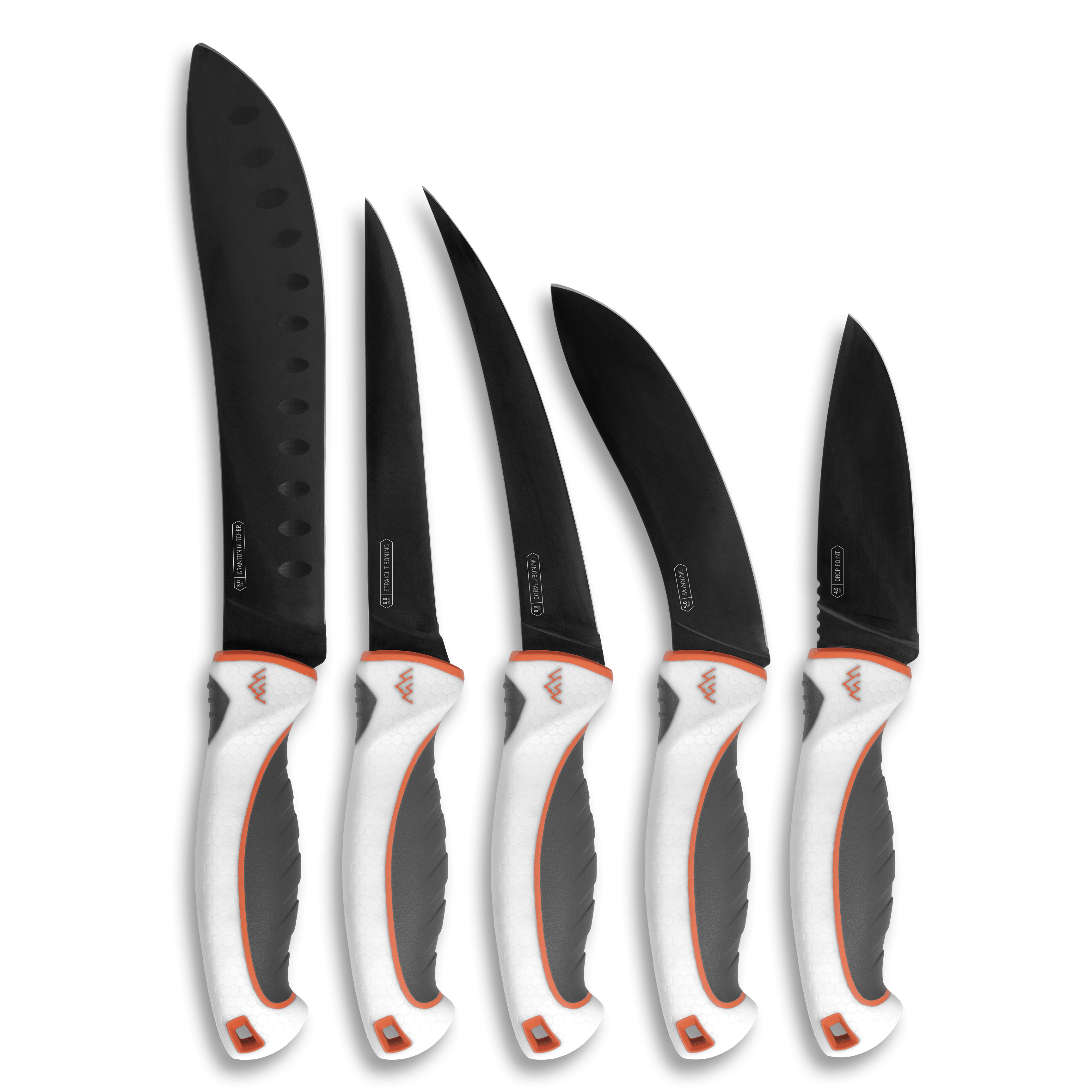
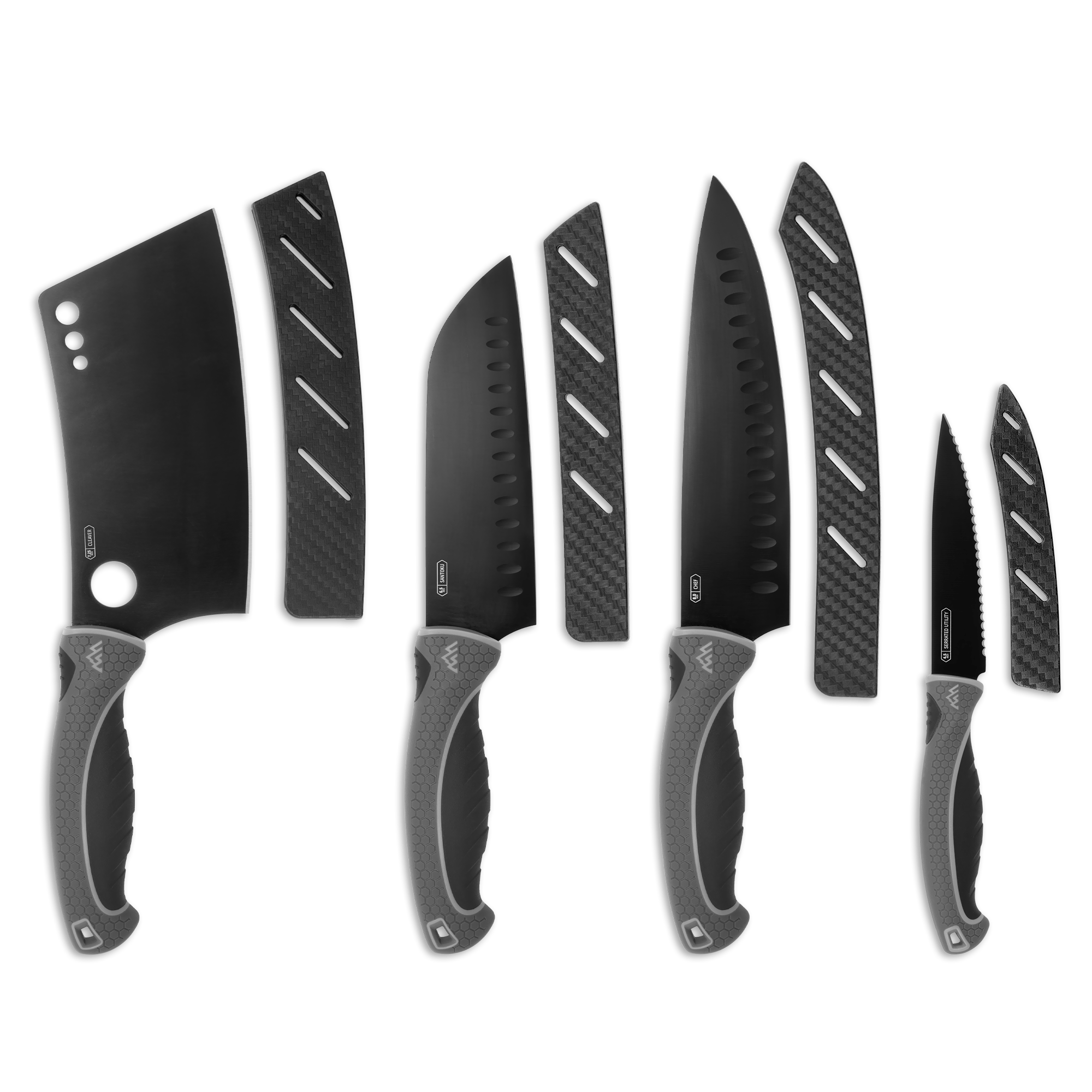
Grinding your own goose? Start with two boneless, skinless breasts from a single bird. A curved boning knife like the Outdoor Edge ErgoMax™ Curved Boning Knife makes it easy to follow the breastbone and lift off clean, silver-skin-free fillets before you run them through the grinder.
Step 1: How to cook the ground goose and onion
Heat 1 tablespoon of olive oil in a large skillet over medium-high heat. Add the ground goose and onion and cook until the goose is no longer pink and the onion has softened, breaking the meat into small crumbles as it cooks, about 4 minutes. Transfer the mixture to a large bowl and let cool for about 5 minutes.
Step 2: How to mix the sauerkraut meatball filling
Stir the sauerkraut, 2 tablespoons Italian-seasoned breadcrumbs, yellow mustard, garlic salt, black pepper, oregano, thyme, parsley, cream cheese, and Worcestershire sauce into the cooled goose mixture until thoroughly combined.
Note: Drain the sauerkraut extremely well before chopping it. Excess moisture will make the mixture too soft and can cause the balls to fall apart during frying. A stand mixer works well for mixing everything evenly but is not required.
Step 3: How long to chill the mixture
Cover and refrigerate for 1 hour. Chilling firms up the cream cheese so the mixture holds its shape when you roll and bread it.

Step 4: How to shape and bread the sauerkraut balls
Scoop and roll the mixture into 1- to 1½-inch balls. You should have about 24 sauerkraut balls. Place the flour on one plate. Whisk together the egg and milk in a shallow bowl. Place the remaining ¾ cup Italian-seasoned breadcrumbs on a second plate. Roll each ball first in the flour, then dip it in the egg mixture, and finally coat it evenly in the breadcrumbs.
Step 5: What oil temperature to fry sauerkraut balls
Pour about 1 inch of neutral cooking oil into a heavy skillet or Dutch oven and heat over medium-high heat until the oil reaches 350 degrees F.
Step 6: How long to fry Canada goose sauerkraut balls
Working in batches, fry the sauerkraut balls for 2 to 3 minutes, turning as needed, until they are evenly golden brown. Transfer to a paper towel-lined plate or wire rack to drain. Serve warm with Thousand Island dressing for dipping.
Protein options and internal temperature
| Protein | Internal temperature | Notes |
|---|---|---|
| Canada goose breast (this recipe) | 165°F | Ground and cooked through in the skillet before shaping; 2 breasts from 1 bird |
| Snow goose or specklebelly | 165°F | A direct swap; grind and use the same amount |
| Duck breast | 165°F | Richer and a touch fattier; works well ground the same way |
| Ground venison or turkey | 165°F | An easy substitute when goose isn't in the freezer |
The USDA safe minimum internal temperature for ground poultry and game birds is 165°F. Because the meat is fully cooked in the skillet before frying, check a ball with an instant-read thermometer if you want to confirm, and source and handle your wild game responsibly.
Tips for the best Canada goose sauerkraut balls
- Drain the kraut hard: squeeze the sauerkraut dry before chopping — extra moisture is the number-one reason the balls fall apart in the oil.
- Cook the goose first: the meat is fully cooked in the skillet, so the fry is just for a crisp, golden shell.
- Don't skip the chill: a full hour in the fridge firms the cream cheese so the mixture rolls and breads cleanly.
- Hold your oil at 350°F: too cool and the breading turns greasy; too hot and it browns before the center warms through. An instant-read or fry thermometer keeps it steady.
- Fry in batches: crowding the pan drops the oil temperature and steams the breading instead of crisping it.
- Make ahead: shape and bread the balls, then refrigerate until you're ready to fry for a party.
Frequently asked questions
What are Canada goose sauerkraut balls?
They're a German-inspired fried appetizer that folds ground Canada goose into tangy sauerkraut, cream cheese, and herbs, then rolls the mixture into balls, breads them, and fries them until golden. Despite the old-country feel, sauerkraut balls were most likely created by German immigrants in Ohio in the 1950s.
What temperature should ground goose be cooked to?
Cook ground goose to an internal temperature of 165°F, the USDA safe minimum for ground poultry and game birds. In this recipe the goose is cooked through in the skillet before the balls are shaped and fried, so the frying step is mainly to crisp the breading.
Can I make sauerkraut balls with duck or another goose?
Yes. Snow goose or specklebelly are direct swaps, and duck breast works well too — it's a little richer. Ground venison or turkey are easy substitutes if you don't have waterfowl on hand. Grind and use the same amount, and cook to 165°F.
Why do my sauerkraut balls fall apart when frying?
Almost always excess moisture. Drain and squeeze the sauerkraut very well before chopping, chill the mixture the full hour so the cream cheese firms up, and keep the oil at a steady 350°F so the breading sets quickly.
Do I have to grind the goose myself?
You can grind two boneless, skinless goose breasts at home, or use goose that's already ground. A curved boning knife makes breasting out the bird quick and clean before grinding. If you buy or trade for ground waterfowl, you'll need roughly the yield of one bird's breasts.
Can I make Canada goose sauerkraut balls ahead of time?
Yes. You can mix and chill the filling, or go a step further and shape and bread the balls, then refrigerate them until you're ready to fry. That makes them an easy appetizer to prep before guests arrive.
What should I serve with sauerkraut balls?
They're built for dipping — the recipe serves them warm with Thousand Island dressing. They're also right at home on a German-inspired spread alongside mustards, pretzels, and a cold beer.
How many sauerkraut balls does this recipe make?
About 24 balls from a single Canada goose (two breasts). It scales up easily if you're feeding a crowd.
New wild game and wild-caught recipes drop every other Wednesday. Browse the full Wild Game Wednesday series for more waterfowl, upland bird, venison, and fresh-catch ideas.
 About the authors
Derek & Olivia Towles are wild game cooks who share field-to-table recipes built around their hunts, from Canada goose to whatever the season brings. Follow along on Instagram at @derekbha.